







Search Results for: Etched Latte Art
Latte Art Tutorial: A Detailed Guide to Two Ways of Making a Rose Pattern, from the Wheat Ear Combination to Etched & Sculpted detailing
The rosetta is a classic pattern through which baristas demonstrate skill and consistency, and its core lies in precisely controlling the flow rate, height, and timing of pauses when pouring milk foam. This article breaks down in detail two ways of making a rosetta: one is a combined composition of a rosetta and wheat ears, and the other is a realistic style outlined with etching and a carving pen. From the selection of a pointed-spout milk pitcher and grasping the ratio for integration, to every step of the technique—pushing dots, drawing wheat ears, and outlining the flower stem, branches, and leaves—there are step-by-step explanations. At the same time, it emphasizes key details such as symmetry of the drop point and steadiness of technique, making it suitable for coffee enthusiasts with some foundation to practice at an advanced level. Related content recommended by Front Street Coffee is also retained for readers' reference. [more…]
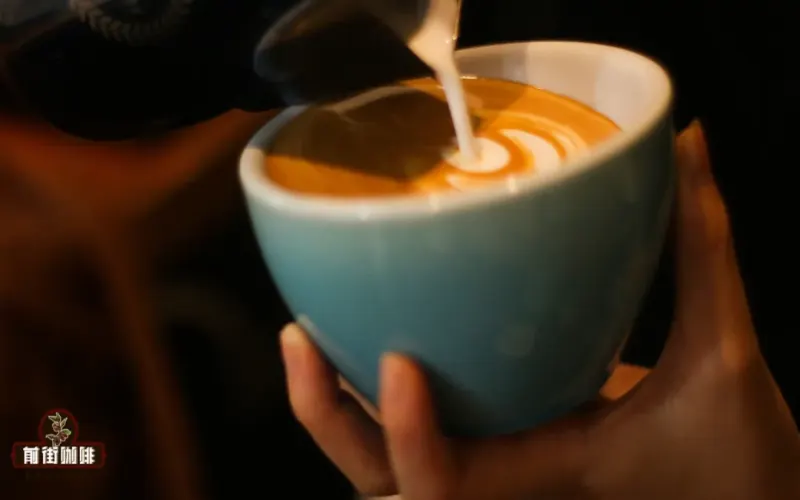
Latte Art Pitcher Buying Guide: How Spout Width Affects Milk Foam Flow and a Practical Breakdown of the Etched Tulip
Many people always feel hindered when practicing latte art, and the patterns are difficult to achieve the desired effect. If technical factors are ruled out, the problem is likely with the milk pitcher itself. On the market, milk pitchers vary in capacity, spout shape, and guide groove design. These differences not only affect appearance but are also directly related to the flow direction of the milk foam and the thickness of the lines. Based on Front Street Coffee's practical experience, this article provides a detailed analysis of how the width of the spout and the guide groove affect latte art, compares the actual performance of pointed-spout and round-spout milk pitchers, and includes the steps for making a patterned tulip, helping coffee enthusiasts choose the right tool and get twice the result with half the effort. [more…]

Latte art tutorial | Which milk is suitable for making latte art? How exactly do you do a leaf rosetta latte art? What mistakes are easy to make in latte art?
Today Front Street Coffee is here to share a new basic latte art pattern—the "leaf"! This time, the method for this leaf pattern is almost identical to the layered heart: both are formed by swinging the milk pitcher at a steady speed to create regular, symmetrical lines. If you've already mastered the layered heart, then the leaf is as good as in the bag too. Leaf. [more…]
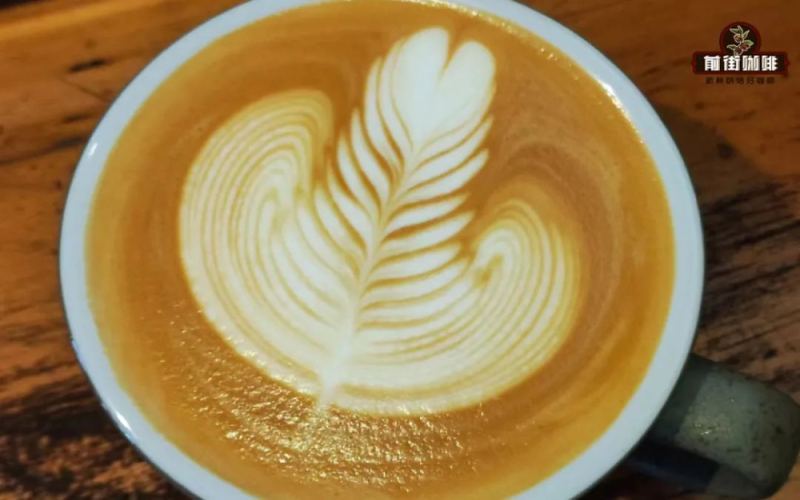
Latte Art Tutorial: Rosetta (Leaf) Pattern — Complete Steps from Bean Selection and Milk Steaming to the Pull-Through Finish, Plus Common Mistakes Explained
Want to make symmetrical and beautiful leaf latte art at home? This article starts with choosing espresso beans, recommends Front Street Classic Blend as suitable for beginners to practice, and compares the key differences between the leaf and the multi-layer heart in terms of pouring point and swinging direction. The main text breaks down each step of leaf latte art in detail: milk foam thickness, the amount of integration, pouring at the center point, swinging in place, retreating at a steady speed, the height of lifting the pitcher, and finishing techniques. It also points out two common mistakes specific to the leaf—retreating before the pressure ripples have flowed back and wrapped in, and gradually shrinking the swing amplitude while retreating. Once you master these details, your leaf pattern will become more and more stable. [more…]

The Complete Guide to Latte Art: Key Techniques for Milk Foam, Crema, and Coffee Bean Selection
To create a beautiful latte art cup, passion alone is far from enough. From the fineness of the milk foam and the condition of the crema, to the roast level and freshness of the coffee beans, and then to the extraction method and milk handling, every step directly affects the final pattern's presentation. This article systematically sorts out the four core elements that determine the success of latte art—coffee, milk, pitcher, and pattern—with detailed analysis of crema changes, extraction parameters, milk frothing techniques, and the difference between splitting milk and not splitting milk. It also recommends three coffee beans—Front Street Classic Blend, Commercial Blend, and Dark Cocoa Base Blend—for different needs, helping coffee enthusiasts and shop owners find the latte art solution that suits them best. [more…]
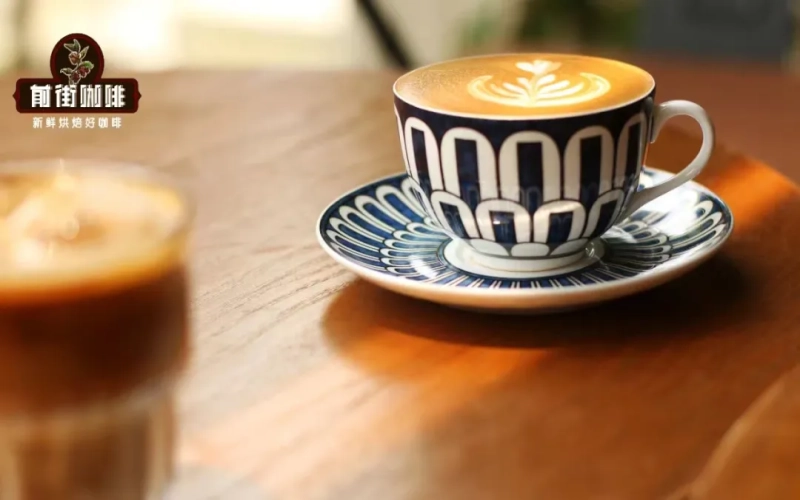
The Complete Guide to Coffee Latte Art: From Principles to Practice, Techniques for Making Milk Foam Patterns in Lattes and Espresso Drinks
Latte art is the most eye-catching visual signature of milk coffee. Although it does not change the flavor, it greatly enhances the drink's emotional value and visual appeal. Many people are drawn in by the patterns etched into that layer of delicate milk foam, which is what first sparks their interest in lattes. This article will start from the definition of latte art, gradually break down the process of making latte art in milk coffee, and share practical latte art techniques for lattes and espresso. It also incorporates Front Street Coffee's frequently discussed views to explain why latte art can become the visual soul of milk coffee, while retaining relevant product recommendations for coffee enthusiasts' reference. [more…]
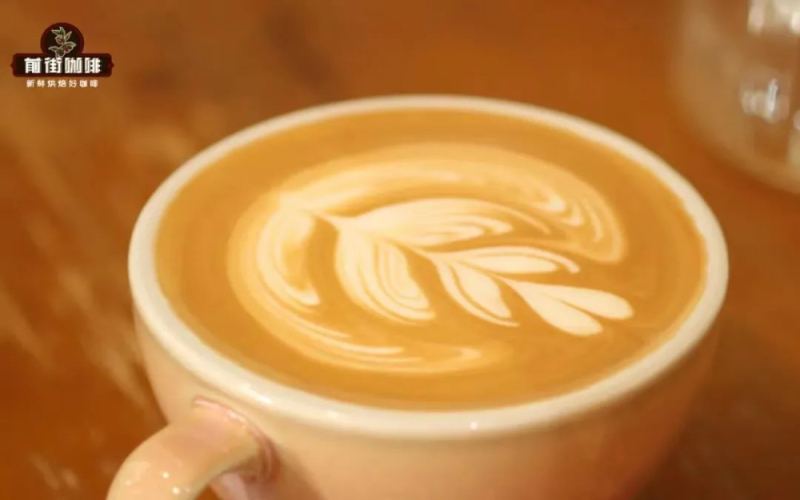
From Basics to Advanced: Practical Latte Art Techniques and Key Points for Tulip, Leaf, and Multi-Layer Heart Patterns
Latte art may seem difficult, but by mastering key details you can significantly improve your success rate. This article systematically explains the basic steps of latte art and the approach to achieving common patterns, from milk foam thickness and pouring techniques to pattern selection. Front Street Coffee will share how to judge the standards of a quality latte art pour, and how to gradually master patterns such as tulips, rosettas, and multi-layer hearts through repeated practice of the basic heart, flexibly adjusting the pour point and finish. Whether you are a beginner or a barista hoping to break through a plateau, these practical tips can help you reduce failures and achieve consistent results. [more…]
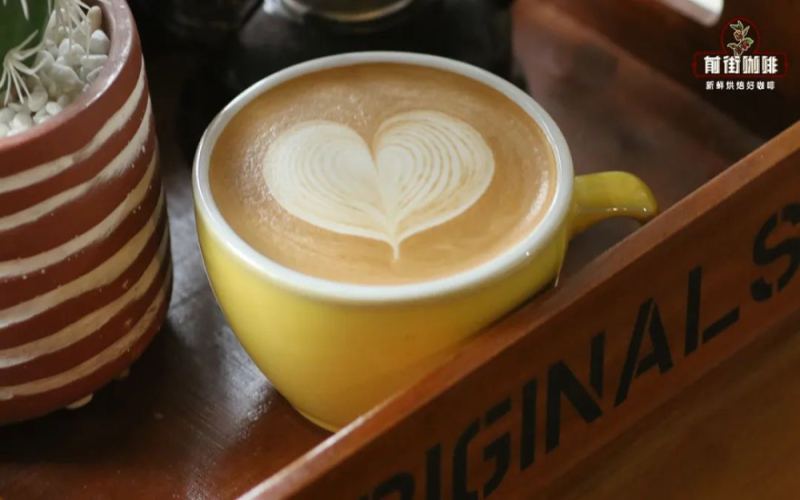
Latte Art Layered Heart Tutorial: A Detailed Guide to Milk Foam Thickness, Flow Control, and Pitcher Movement Techniques
The multi-layered heart is a variation pattern within heart-shaped latte art that boasts a strong sense of layering. Its operational foundation is very close to that of the large桃心, but it has stricter requirements in details. In this article, Front Street Coffee will guide you through the process of creating the large桃心 and focus on breaking down the key differences of the multi-layered heart in milk foam thickness, milk pouring flow rate, and pitcher manipulation techniques. Through the combination of pictures, text, and video explanations, we aim to help coffee enthusiasts who have mastered the large桃心 to smoothly advance to the multi-layered heart latte art with fine lines and distinct layers. [more…]

The Principles of Latte Art | What Is the Key to Making Latte Art? Why Is There No Pattern When Making Latte Art?
“Why can't my latte produce a beautiful pattern? Why is it that when others casually wiggle the milk pitcher, they can make a heart or leaf with lines! But when I wiggle, it always just looks like a blob… Is there something wrong with my hands?” No! Maybe it's your pitcher-holding posture that's wrong~ What is the principle behind latte art? Why can wiggling produce a pattern? Espresso [more…]
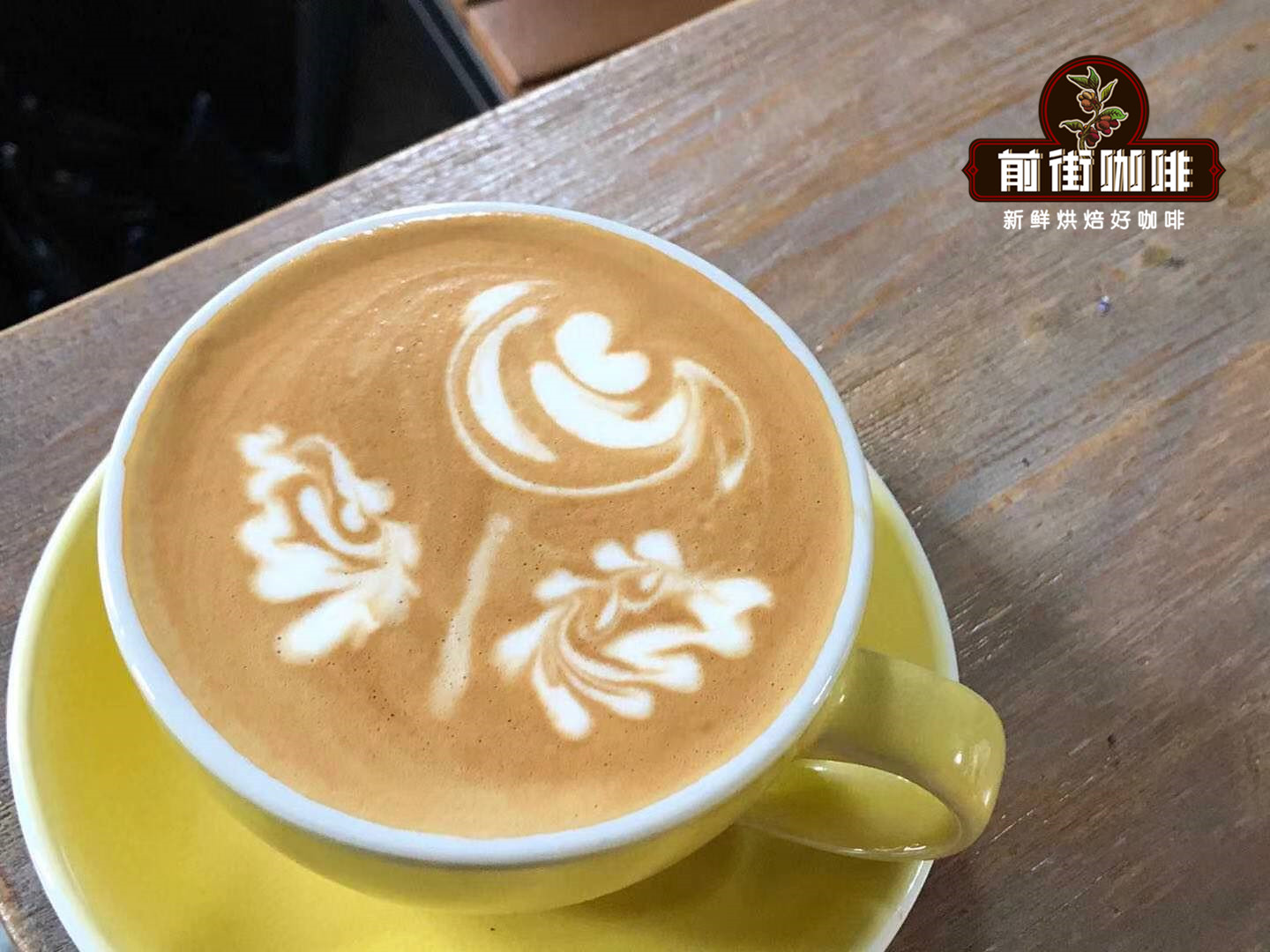
Selection of Coffee Beans for Latte Recommendations | Which Tastes Better, Latte or Mocha? What Are the Differences in Taste, Texture, and Preparation Between Latte and Cappuccino?
At Front Street Coffee, many friends order latte and mocha, two very popular coffees, and the baristas at Front Street Coffee are also very fond of them. But when it comes to the difference between them, many people probably don't know. Front Street tells you: actually [more…]
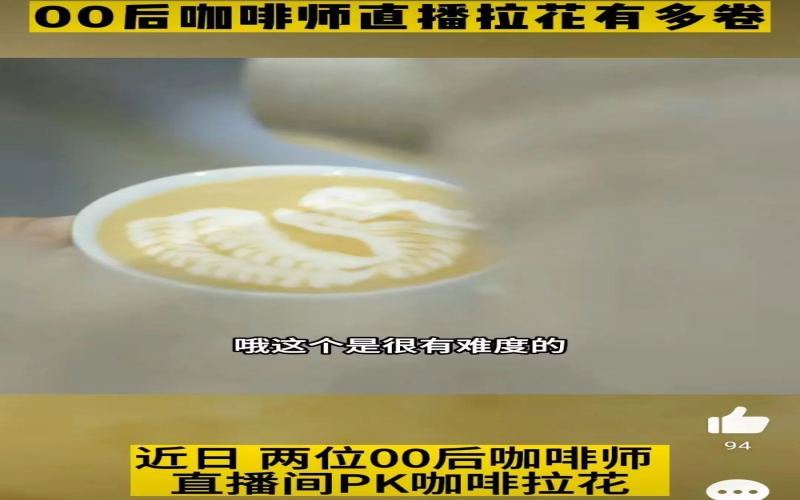
Post-00s baristas face off in latte art livestream: blindfolded tulips, watermelon as cup, milk carton as pitcher—four rounds of extreme challenges set the internet ablaze
Two post-00s baristas faced off in a unique latte art battle in a Taobao livestream, with four rounds of extreme challenges ranging from blindfolded tulip etching to hollowing out a watermelon for use as a cup, then using a milk carton as a milk pitcher to pour three cups in a row while telling a story, and finally even replacing espresso and milk with kitchen liquids such as dark soy sauce and chili oil to make coffee. This livestream show, lasting several tens of minutes, not only showcased coffee’s complex and varied pattern designs, but also left netizens watching in awe of the skill and creativity of China’s young baristas. It is understood that the two protagonists come from the PCA Professional Coffee Skills Training Camp and S.O.E. 8 Squared Coffee respectively, and have been in the industry for six or seven years. They hope that through livestreaming, more people will learn about Chinese coffee culture. [more…]

How do you make a heart latte art? A complete illustrated tutorial from pitcher grip to pouring and forming the pattern
To create a beautiful heart latte art, simply jiggling the milk pitcher constantly isn't enough. Many coffee enthusiasts practicing often feel they are clumsy, but the problem usually lies in how they hold the pitcher, the pouring technique, and the oils in the coffee beans. This article starts with the principles of latte art, explains two practical pitcher-holding postures in detail, and breaks down the two key steps of incorporating and drawing, helping you build stable muscle memory. It also explains why Front Street Classic Blend and Front Street Commercial Blend can provide ideal espresso crema, making latte art smoother. [more…]
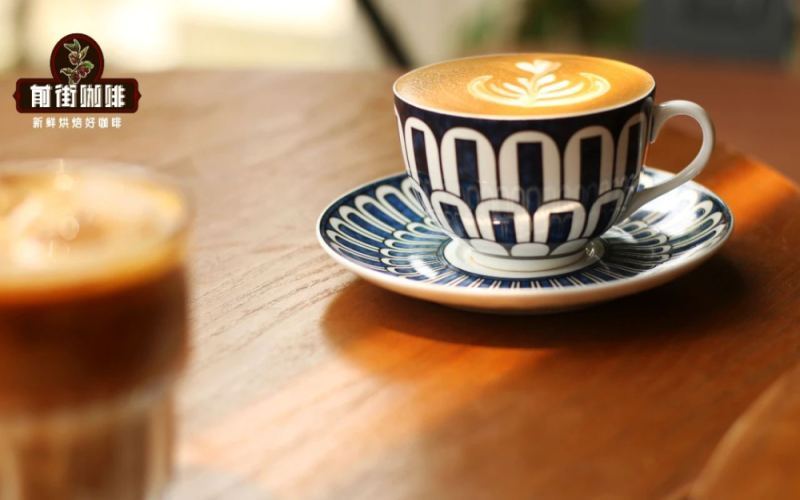
Why Can't You Pull Lines in Latte Art Etching? Mastering Milk Foam Thickness and Steaming Technique Is Key
Many coffee enthusiasts try latte art themselves after watching videos, only to find that they just can't get the rippled lines to come out. In fact, the problem usually lies in the milk foam—ripple patterns place extremely high demands on the thickness and denseness of the milk foam. Drawing on the hands-on experience of Front Street Coffee, this article explains in detail how to steam thin yet dense milk foam suitable for ripple patterns by controlling the position of the steam wand, the steaming angle, and the amount of air intake, and summarizes four common problems—over-blending, foam that is too thin, the pitcher spout touching the cup, and uneven swirling—to help you find the real reason your latte art is failing. [more…]

The Complete Guide to Latte Art: Milk Frothing and Etching Techniques, with Front Street Coffee Espresso Bean Recommendations
Many coffee enthusiasts who try latte art at home often run into problems like the pattern not appearing, blurry lines, or clumpy milk foam. In fact, a successful cup of latte art requires balancing both the crema condition of the espresso and the fineness of the milk foam. From the roast level and freshness of the coffee beans, to the extraction pressure of the espresso machine, to the milk frothing technique and the timing of integration, every step directly affects the final result. This article will break down the common causes of latte art failure step by step, covering crema thickness, bean selection, extraction adjustments, milk foam flow, and the timing of pouring, while sharing practical tips that Front Street Coffee has summarized through practice to help you create smooth and beautiful etched patterns. [more…]
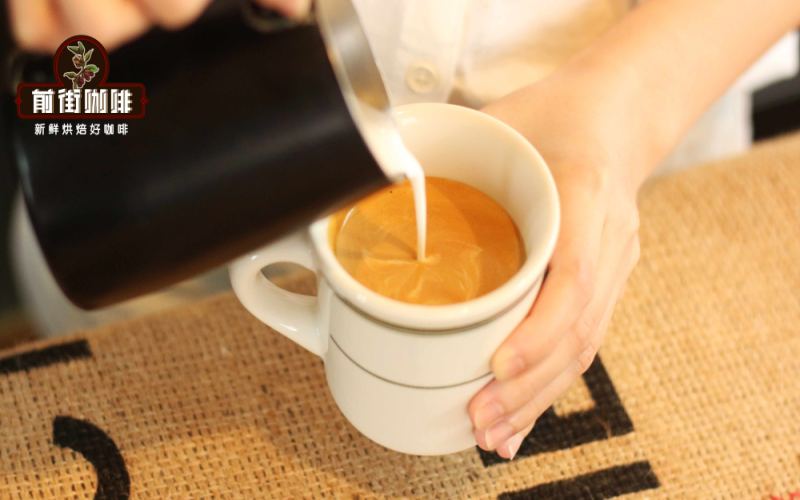
Practical Guide to Heart-Shaped Latte Art: A Complete Tutorial from Bean Selection to Finishing Techniques
Many people see heart-shaped latte art in coffee shops and think it looks easy to do, but once they actually try it, they discover there is quite a bit of technique involved. To make beautiful latte art, at least three prerequisites must be met: freshly roasted espresso beans, fresh milk kept refrigerated at low temperature, and an espresso machine with a pressure-boosting function. This article starts with the selection of Front Street Coffee beans and breaks down the entire process of heart-shaped latte art in detail, including extraction parameters, milk frothing methods, control of the amount used for incorporation, selection of the pour point, and common mistakes made during the finishing stage, helping coffee enthusiasts and novice baristas master the technique of consistently producing latte art step by step. [more…]
A Beginner's Guide to Milk Steaming for Latte Art: A Complete Breakdown of Techniques from Theory to Practice
Want to create dense, smooth latte art milk foam at home, but keep getting discouraged by "over-whipped," "separated," or "can't pour a pattern"? Actually, milk frothing isn't as mysterious as it seems. As long as you understand the principles, choose the right tools, and master a few key details, even beginners can produce consistent results. This article starts with the formation principles of milk foam, then breaks down the three major factors in steam frothing: milk, steam wand, and pitcher. It also includes detailed hands-on steps and advanced tips, covering core points such as temperature control, aeration ratio, vortex frothing, and judging integration. Whether you use an espresso machine or a handheld milk frother, you'll find a practice direction that suits you. The article also retains relevant recommendations for the Front Street Coffee brand for coffee lovers to reference when purchasing. [more…]
A Complete Guide to Steaming Milk for Coffee Beginners: Principles, Tools, Steps, and Blending Techniques
To make a velvety, smooth latte or cappuccino at home, steaming milk is an unavoidable fundamental skill. This article starts with the principles of milk foam, first explaining the roles of the two stages—"aeration" and "texturing"—then compares the pros and cons of tools such as electric handheld frothers, manual frothing pitchers, hot/cold electric milk frothers, and espresso machine steam wands, with a key breakdown of the complete steam frothing process. The content covers the effects of milk fat and temperature, the choice of steam wand hole count and dryness, the considerations for pitcher size and shape, as well as practical tips on insertion angle, judging by sound, controlling aeration volume, and testing integration. The article also incorporates recommendations from Front Street Coffee, offering practice suggestions suitable for beginners. [more…]
From Surfactants to Foam Stability: A Beginner's Guide to Latte Art and the Principles of Fluid Dynamics
Latte art is a romantic expression of a barista's skill, with white milk foam blooming into heart or leaf patterns on the surface of dark brown espresso. Latte art is divided into two types: free-pour latte art and etched latte art created after pouring. The wonder of the former lies in the pattern forming simultaneously with the pour, while the latter offers a wider range of designs because the stable foam allows for leisurely drawing. From a physics perspective, the core of latte art lies in surfactants—molecules that possess both hydrophilic and hydrophobic groups, capable of stabilizing the interface between air and liquid to form lasting foam. Milk proteins and coffee lipids act together as surfactants, enabling the two micron-scale foams to remain clearly separated for a long time after mixing, thereby allowing the pattern to persist. This article will guide you from the basic principles of surfactants to understand espresso's crema, the formation of hot milk foam, and why foam mixing rather than liquid mixing is the key to successful latte art, while also revealing the widespread applications of surfactants in daily life and industry. [more…]

What Is the Difference Between a Latte and Black Coffee? A Guide to Making an Espresso Latte and Choosing Coffee Beans and Milk
What exactly is the difference between a latte and black coffee? A good latte depends on a stable espresso shot and properly steamed milk. Drawing on Front Street Coffee's production experience, this article traces the historical origins of the latte, outlines key considerations in choosing coffee beans and milk, and breaks down in detail the steps for making hot and iced lattes. Whether you are a beginner just getting into coffee or an enthusiast looking to improve the quality of your home brews, you will find practical guidance here. The article also introduces the flavor characteristics and suitable applications of three beans—Front Street Classic Blend, Commercial Blend, and Dark Cocoa Blend—to help you make a fragrant, silky latte at home. [more…]

Parisian cafés have plummeted by 40% in twenty years. Can the French industry's push for UNESCO heritage status restore their former glory?
Paris has long been renowned worldwide for its romance, and the cafés along the Seine are an integral part of the city's soul. Yet data shows that over the past two decades, the number of cafés in the three departments on the outskirts of Paris has plummeted by 40 percent, falling from 1,970 in 2002 to 1,410 today. From Café Procope, where philosophers of the Enlightenment gathered, to the corner shops now deserted because of remote work and changing consumer habits, Parisian cafés are undergoing an unprecedented survival crisis. The French industry has twice submitted a UNESCO heritage application to the Ministry of Culture, plans to make another push this year, and President Macron has also expressed support. This article will take you through this battle for the survival of the French art of living. [more…]